
"custom coffee blend"
1000 article(s) found

Introduction to the blending of Italian Coffee based on Coffee processing Technology
Espresso with several of my favorite decaf coffees if you need decaf, prepare some water-processed Brazilian decaf beans. Use 50% of this coffee bean, plus some other coffee beans with different flavors. If you want coffee that is almost completely decaffeinated, you can choose one of the following combinations: 50%

Starbucks "freshly brewed Coffee" and "American Coffee", Florna Coffee introduction
Chen freshly brewed coffee and American coffee this is the Starbucks menu, you can find it on the seasoning table. Note: American coffee belongs to espresso and this week's selection belongs to freshly brewed coffee. From the customer's point of view, for the shop assistant, freshly brewed coffee = BC= featured this week [1], so the following discussion uses the lengthy term BC instead of freshly brewed coffee.

Espresso blended with decaf Brazilian decaf beans
Espresso with several of my favorite decaf coffees if you need decaf, prepare some water-processed Brazilian decaf beans. Use 50% of this coffee bean, plus some other coffee beans with different flavors. If you want coffee that is almost completely decaffeinated, you can choose one of the following combinations: 50%

What is blended coffee? Excellent flavor, cost-effective blend of coffee beans
Blended coffee is also known as blended coffee, and almost all of the popular Italian coffee belongs to the category of blended coffee. We generally mix two or more different varieties of coffee or the same variety of coffee with different roasting degrees, which is called blended coffee. Blending coffee is not a simple addition, but hopes to make coffee flavor unique through the blending division.

Italian beans recommend why Italian multi-use blend beans Italian coffee why use blend beans
Professional coffee knowledge exchange More coffee bean information Please pay attention to coffee workshop (Weixin Official Accounts cafe_style) What is concentrated blending? The answer to this question seems to depend on who you ask! I can't think of a coffee expert who would disagree that espresso is essentially a brew. Most people would also agree that drinks produced by the brew method share this title. When a mix

Mixed beans-- the mixing of coffee beans
People need to put coffee from different places together for several different purposes.

Comparison of three kinds of coffee: Cabo, latte and Flat White coffee
Attention, please! Flat White Coffee, Australian latte. You'd better remember the name, because this kind of coffee is sold in cafes in the streets nowadays. Just a few years ago, few Americans knew about Flat White coffee; today, Flat White has become the most common daily drink in the United States. It's very easy to work with lattes or cabs.

Coffee roaster direct type semi-hot air type hot air type coffee bean baking Italian blending on the market
There are three types of coffee roasters on the market: Direct Fire Roaster, Half Hot Air Roaster, Hot Air Roaster, and there are a variety of commercial coffee bean roasters. Such as PROBAT, Diedrich, San Franciscan, Toper, Garanti, Has Garanti, Joper, Proater, Lori

Introduction to the difference between the baking degree of coffee beans and cooked beans
Introduction to the difference between the baking degree of coffee beans and cooked beans first of all, it is not the same time point and temperature point when each bean reaches a certain baking degree. Because the water content, size, the softness and hardness of beans will all be due to the phenomenon of uneven baking, the professional point is that the specific heat of coffee beans is different, and the concept of specific heat generally refers to the increase of coffee beans by 1 degree Celsius.

Are there any other benefits of blending coffee for business besides reducing costs?
Unlike the custom of naming individual coffee after its place of origin, mixed coffee is generally named after the brand or according to the feeling. Like Lipton Black Tea, maybe we drink Lipton for many years but never know exactly what kind of black tea Lipton has mixed together. Brands of blended coffee almost never disclose their recipes, so when we choose blended coffee, we choose it.

Can't you mix more than five kinds of coffee? fine coffee.
Before blending any coffee, you should first understand the taste characteristics of all kinds of coffee, and at least make it clear in your heart that the taste of the kind of coffee you want to mix can not be achieved by any single coffee. It would be a pity if the blended coffee doesn't taste better than one or more of them. It would be better not to match. If you use which qualities
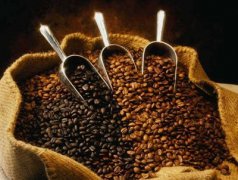
Coffee beans, coffee beans
Coffee from different origins needs to be put together for several different purposes. The ideal goal, of course, is to combine coffee that tastes better than any of them. But in general, Arabica coffee from a single origin is enough to make a coffee that tastes good; it has a light flavor, a soft taste and a sweet aftertaste. So there is no need to mix (i.e. different origins)

What do you need to know before you mix coffee?
Before blending any coffee, you should first understand the taste characteristics of all kinds of coffee, and at least make it clear in your heart that the taste of the kind of coffee you want to mix can not be achieved by any single coffee. It would be a pity if the blended coffee doesn't taste better than one or more of them. It would be better not to match. If you use which qualities

About the mixing of coffee beans
The ideal goal is, of course, to piece together a coffee that tastes better than any of them. But generally speaking, Arabica coffee from a single origin is enough to make coffee that tastes good for export; it has a delicate flavor, a soft taste and a sweet aftertaste. So there is no need for "blending" (that is, putting together coffee from different places).

Common sense of blending coffee beans
People need to put coffee from different places together for several different purposes. The ideal goal, of course, is to piece together a coffee that tastes better than any of them. But generally speaking, Arabica coffee from a single origin is enough to make coffee that tastes good for export; it has a delicate flavor, a soft taste and a sweet aftertaste. So there is no need to match (that is, different places of origin

Assimilation of coffee beans
The primary commercial purpose of blending coffee is to reduce costs and mix coffee that is not very good with coffee that is quite good for export.

Should we first know the taste and flavor of all kinds of coffee when blending coffee?
Blending coffee requires expert ability to understand the taste characteristics of each kind of coffee, to know what the taste of the coffee you want to mix is like, and how to achieve that flavor. but in any case, the coffee should not be regarded as an advanced form of coffee. As mentioned earlier, the actual situation is often just the opposite. Personally, I prefer individual coffee, especially if it is roasted

Nespresso launches new limited edition coffee BARISTA releases your barista soul
Professional barista communication please follow the coffee workshop (Wechat official account cafe_style) Nespresso launched a new limited edition coffee BARISTA release your barista soul perfectly present the art of espresso and milk release your barista soul perfect presentation of espresso and milk art just at the end of the World University Games, athletes sprinkle sweat,

Can coffee beans from a single origin or single roasting degree be blended?
Before mixing any coffee, first understand the flavor characteristics of each coffee, and at least know in your mind that the coffee you want to mix will taste like no single coffee can achieve. It would be a shame if the blend didn't taste better than one or more of them. It's better not to match. What qualities do you use?

Common sense of blending coffee with coffee beans
People need to put coffee from different places together for several different purposes. The ideal goal, of course, is to piece together a coffee that tastes better than any of them. But generally speaking, Arabica coffee from a single origin is enough to make coffee that tastes good for export; it has a delicate flavor, a soft taste and a sweet aftertaste. So there is no need to match (that is, different places of origin